

Recovery After Breast Reconstruction
What to Expect After Breast Reconstruction
Breast reconstruction is a major surgical procedure, and recovery takes time. Understanding what to expect after surgery helps patients feel more prepared and supported through the healing process.
The recovery journey varies depending on the type of reconstruction performed, your body’s healing response, and whether additional treatments such as chemotherapy or radiotherapy are required.
Immediate Recovery (First Few Days)
Expected Sensations: Swelling, bruising, and mild discomfort are common in the initial days after surgery. You may also experience some temporary numbness or tightness as your body begins to adjust to the changes.
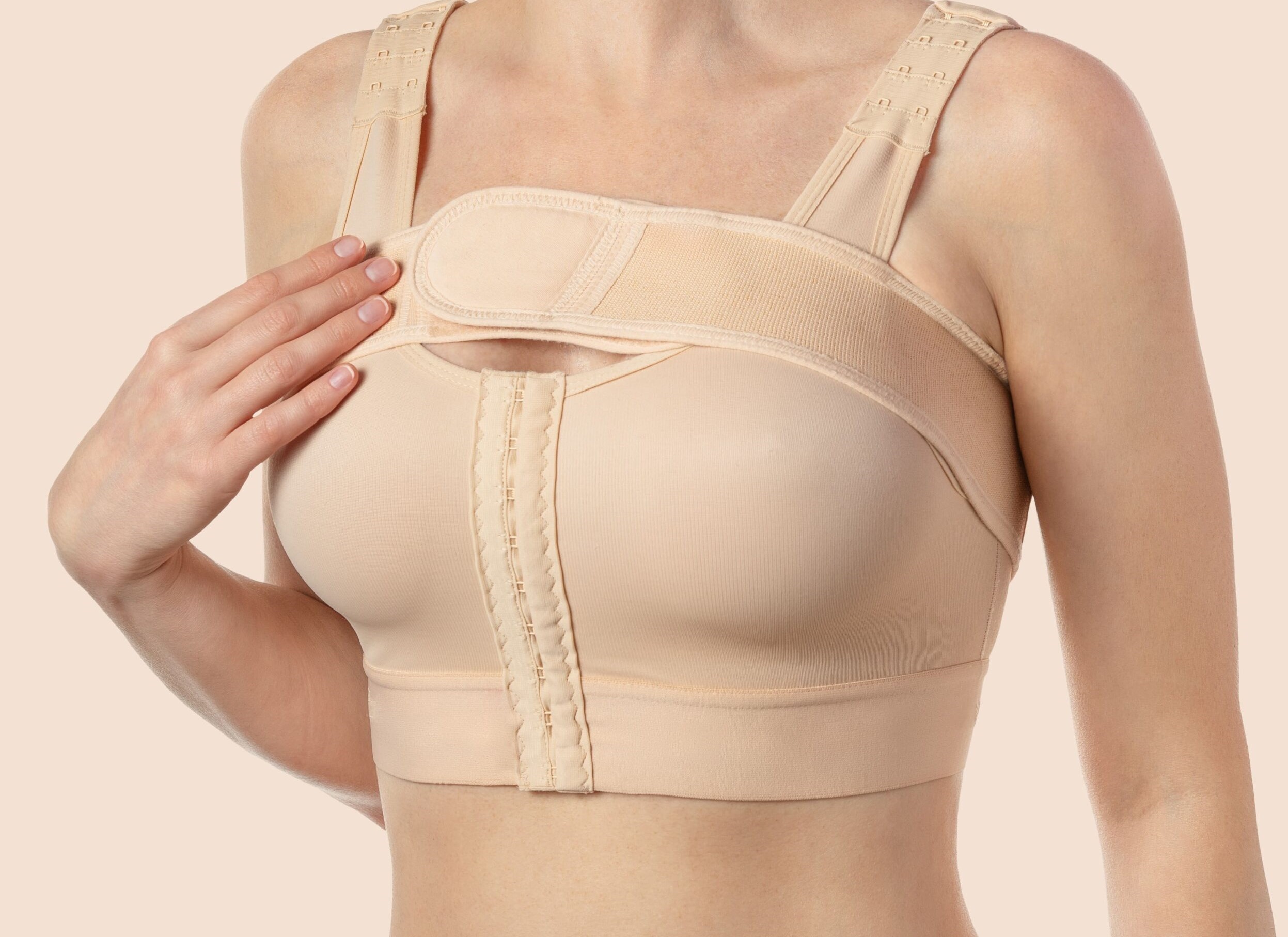
Supportive Care: You will be advised to wear a supportive surgical bra or compression garment. This provides crucial stability to the reconstructed breasts, helps to minimise swelling, and aids in the overall healing process. Resting with the upper body elevated, especially while sleeping, is highly recommended to further reduce swelling and discomfort.
Drains: Small, thin tubes, known as drains, may be placed under the skin to collect any excess fluid. Clear instructions will be provided on how to care for these drains, which are typically removed within a few days to a few weeks, once fluid drainage significantly decreases.
Pain Management: Prescribed pain medication should be taken as directed to ensure your comfort during this critical early phase.
Short-Term Recovery (First 1-2 Weeks)
Activity Guidelines: Most patients can resume light activities within a few days, such as short walks. However, it is vital to avoid strenuous movement, heavy lifting, and pushing or pulling to prevent any strain on the healing tissues. Specific instructions regarding arm movements will be provided, especially if your reconstruction involves muscle transfer.
Wound Care & Sutures: You will receive detailed guidance on how to care for your incision sites, keeping them clean and dry. If sutures are used, they are typically removed within the first week during a follow-up visit.
Swelling & Tenderness: While initial swelling and bruising will be most noticeable, they will gradually begin to subside during this period. Some tenderness may persist, but discomfort should progressively improve.
Follow-Up: Regular follow-up visits are essential to monitor your healing progress, address any concerns, and ensure you are on the right path to recovery. Driving should still be avoided during this time, especially if you are taking pain medication.
Full Recovery (4-6 Weeks & Beyond)
Activity Progression: By 4-6 weeks, swelling continues to subside, and most patients can gradually return to normal activities, including exercise, depending on individual healing progress. Strenuous activities should still be avoided until explicitly advised.
Scar Maturation: Incisions will result in scars, which will initially appear red and raised. Over time, these scars will fade, flatten, and become less noticeable. You will be advised on scar management techniques to help improve their appearance and texture.
Long-Term Care & Results: As swelling completely resolves, the final results of your breast reconstruction will become more apparent, revealing a more defined and proportionate contour. Long-term care includes wearing supportive bras, maintaining a stable weight, and adhering to a healthy lifestyle to help preserve your results. Regular follow-up appointments with Dr. Marco will continue to monitor your long-term outcome and overall health.
If You’re Considering Breast Reconstruction, Get in Touch Today
Submit your details, and we’ll be in touch with you soon.
38 Irrawaddy Road, Singapore 329563
Mon – Fri: 10:00 AM – 6:00 PM
Weekends & PH: Closed
Contact Us Today
Exploring breast reconstruction but unsure about the right approach? Dr Marco provides personalised consultations to discuss your goals and the most suitable techniques.
For more information or to schedule a consultation, call us at 6464 8075 or complete the form below.
Frequently Asked Questions
While some discomfort, swelling, and bruising are expected, pain is managed effectively with prescribed medication. The intensity of pain varies, but a comprehensive pain management plan will be provided to ensure comfort during your recovery.
If surgical drains are placed, they are small, flexible tubes designed to remove excess fluid from the surgical site, which helps reduce swelling and promotes healing. You will receive detailed instructions on how to empty and care for these drains at home. They are typically removed by a healthcare professional once the fluid drainage significantly decreases, usually within a few days to a few weeks.
Yes, breast reconstruction involves incisions, which will result in scars. Initially, these scars may appear red and raised. Over time, with proper care and maturation, they typically fade, flatten, and become less noticeable. Techniques such as consistent scar massage and protection from sun exposure can further help improve their appearance.
Yes, it is common to experience altered sensations, including numbness, tingling, or hypersensitivity, in the reconstructed area. This occurs due to nerve disruption during surgery. While sensation often gradually improves over several months, some degree of permanent change in sensation is possible.
Immediately after surgery, a supportive surgical bra or compression garment is essential. This helps to minimize swelling, provide stability to the reconstructed breasts, and support the healing tissues. As your recovery progresses, you will typically transition to comfortable, non-underwire bras. The specific timeline for this transition will depend on your individual healing and the type of reconstruction.
Driving should be avoided while you are taking prescription pain medication, as these can impair your reaction time and judgment. Additionally, you should not drive until you can comfortably and safely operate a vehicle, including making sudden movements or braking without discomfort, which is typically not in the first 1-2 weeks.