

RECLAIMED SHAPE, RESTORE CONFIDENCE
A Journey of Healing Beyond Scars
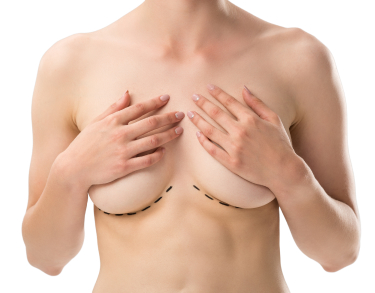

Mental and Physical State of Mind
A breast cancer diagnosis can be emotionally challenging, often leading to significant psychological distress, including anxiety, emotional breakdowns, and disruptions in daily functioning.
Therefore, early detection and prompt treatment are crucial.
4 Simple Steps in a Breast Reconstruction Procedure

One-on-One Consultation

Pre-Operative Preparation

Day of Surgery

Recovery & Follow-Up
Restored Confidence and Attain Desired Shape And Size After MASTECTOMY
Consult Dr Marco for a detailed assessment today
Benefits after Breast Reconstruction Surgery

Restores and Improves Self-confidence

Correct Breast Asymmetry

Fuller and More well-defined Breasts Shape

Improved Clothing Fitting
Why Choose Dr Marco?
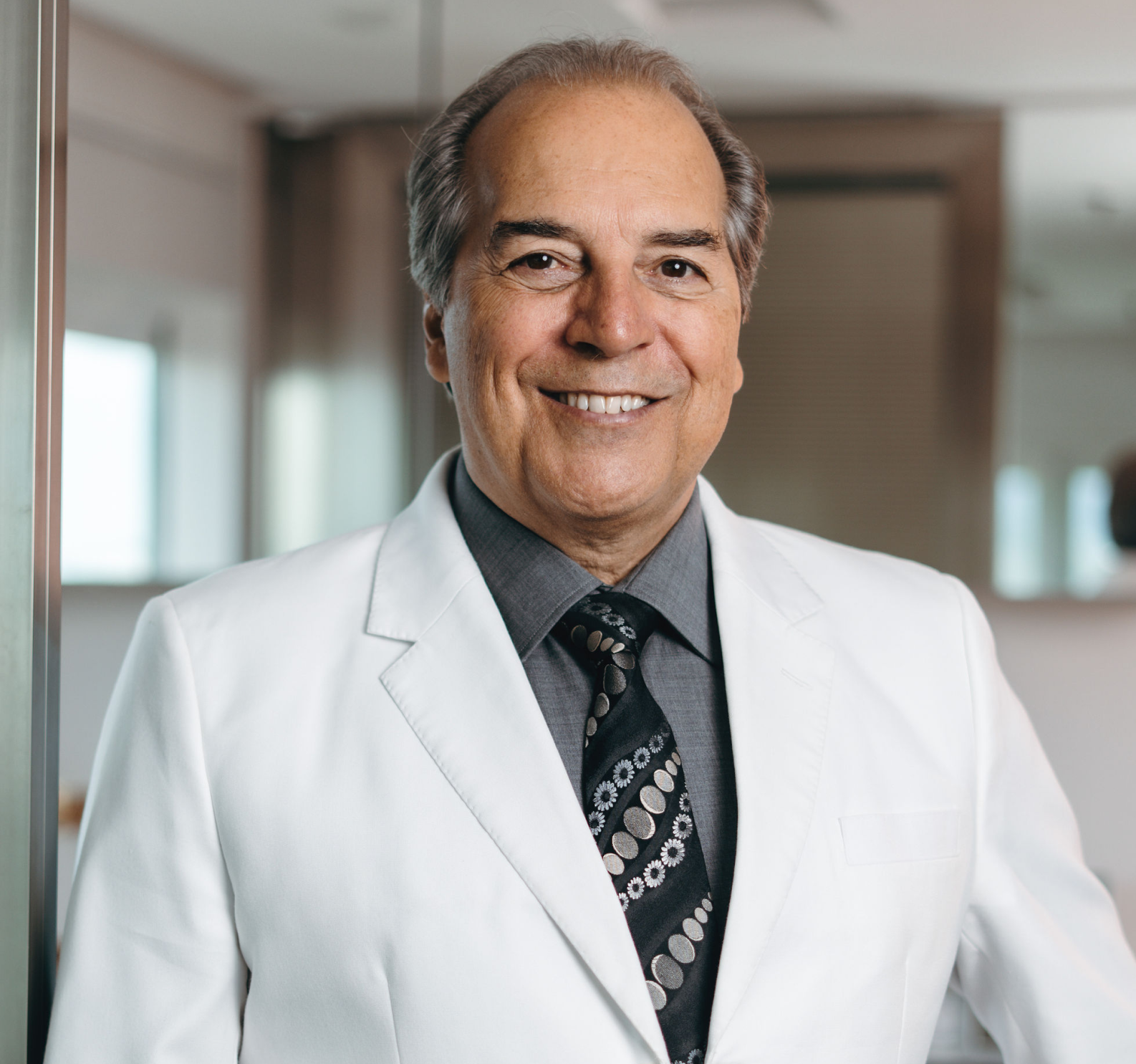
DR MARCO FARIA CORREA
PLASTIC SURGEON IN SINGAPORE
Internationally Trained Plastic & Cosmetic Surgeon
With Over 35 Years of Clinical Experience
- Plastic and Cosmetic Surgery
- Endoscopic Plastic Surgery
- Robotic Surgery
- Non-surgical Aesthetic Treatments
- Reconstructive & Microsurgery
- Non Surgical Treatment
If You’re Considering Breast Reconstruction, Get in Touch Today
Submit your details, and we’ll be in touch with you soon.
38 Irrawaddy Road, Singapore 329563
Mon – Fri: 10:00 AM – 6:00 PM
Weekends & PH: Closed
Contact Us Today
Exploring breast reconstruction but unsure of the right approach? A medical consultation with Dr Marco can help determine if suitable reconstruction options are appropriate based on your condition.
For more information or to schedule a consultation, call us at 6464 8075 or complete the form below.
Frequent Asked Questions
You may be a suitable candidate for breast reconstruction if you are in good overall health, and are undergoing or have completed treatment for breast cancer. The decision depends on factors such as the type and stage of cancer, previous treatments (like radiation), and your personal preferences. A consultation with a reconstructive surgeon will help determine the best approach for your individual case.
As with any surgery, breast reconstruction carries risks, including infection, bleeding, poor wound healing, scarring, and complications related to anesthesia. Specific risks can vary depending on the type of reconstruction and whether implants or tissue flaps are used. Your surgeon will discuss these risks in detail prior to the procedure.
Yes, some common side effects include swelling, bruising, pain, and temporary numbness at the surgical site. Depending on the technique used, there may also be changes in breast sensation, asymmetry, or the need for additional corrective procedures. Most side effects are manageable and improve over time and prescribed medications to help alleviate discomfort following the procedure.
There are 4 types of breast reconstruction surgeries:
1. Silicone Gel Implants
2. Saline Implants
3. Fat Transfer Implants
4. Hybrid Implants
Yes, scarring is expected after breast reconstruction surgery. The size and location of scars depend on the type of procedure performed. Over time, scars typically fade and become less noticeable. Your surgeon may recommend treatments to help minimize their appearance.
Recovery time varies depending on the type of reconstruction. For implant-based reconstruction, recovery may take 4–6 weeks. Autologous reconstruction generally requires a longer recovery, typically 6–12 weeks. Full recovery, including return to all physical activities, can take several months. Your surgeon will provide personalized guidance during follow-up care.
A balanced diet rich in protein, vitamins, and minerals can support healing. Avoid smoking and limit alcohol consumption, as they can impair recovery and increase the risk of complications. Staying active (as advised) and maintaining a healthy weight are also beneficial. Always follow your medical team’s specific post-operative instructions.
Breastfeeding after reconstruction is often not possible, especially if the underlying breast tissue and milk ducts have been removed during mastectomy. However, if the procedure preserves some breast tissue and ducts, partial lactation may be possible, though this is uncommon. Your surgeon can give you more precise information based on the type of surgery performed.